Silicone Cups for Babies: Safe Choice or Not?
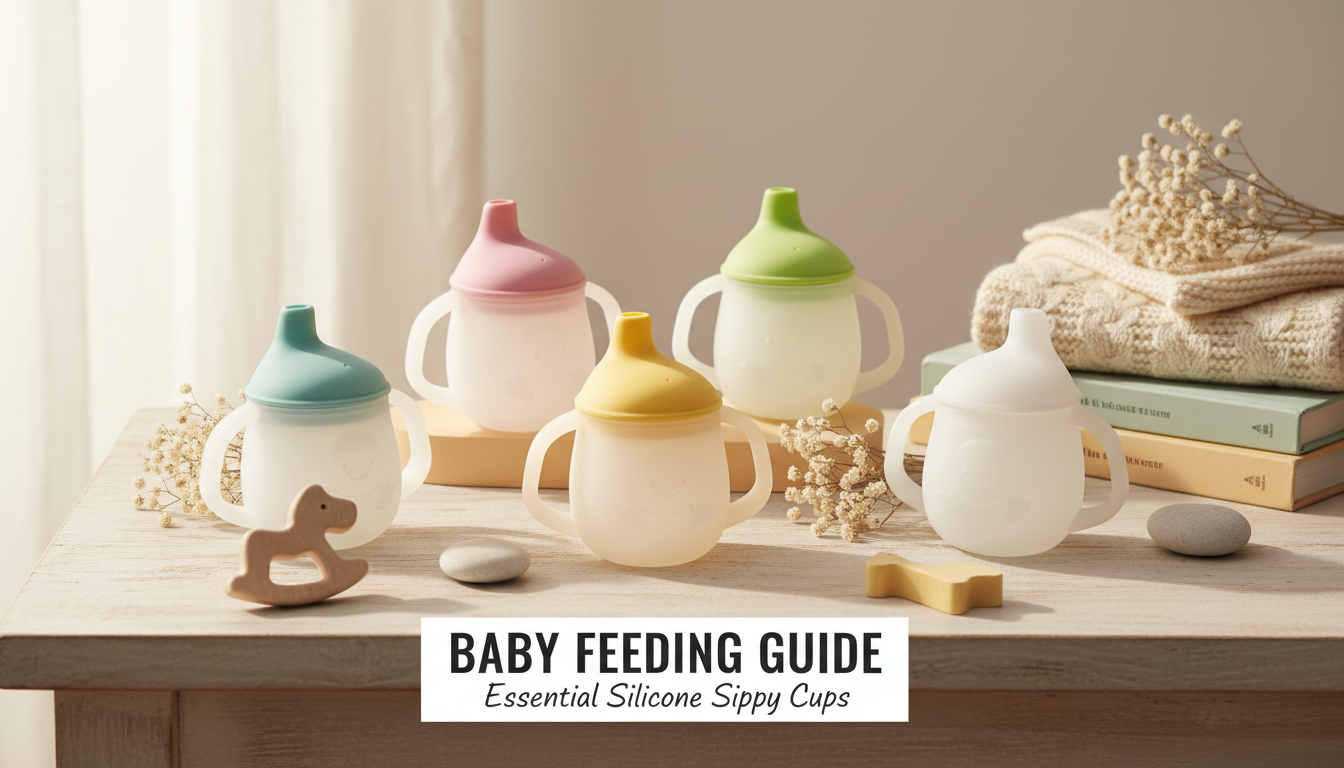
Are silicone cups good for babies?
Silicone cups can be a great option for babies and toddlers because they’re typically soft, lightweight, and less likely to shatter if dropped. Many parents also like silicone because it’s easy to grip, gentle on gums during early sipping, and often designed with baby-friendly features like small sizes and non-slip bases.
That said, “good” depends on choosing the right cup and using it safely. Look for food-grade silicone that’s labeled BPA-free, BPS-free, and phthalate-free. A one-piece or simple design is usually easier to clean thoroughly, which matters because leftover milk or smoothies can hide in seams and lead to odors or mold.
What makes silicone cups baby-friendly?
Compared with glass or hard plastic, silicone is more forgiving. Babies learning to drink often bump the rim against their teeth or gums; a soft rim can feel more comfortable. Silicone also tends to resist cracking, and many cups can handle both warm and cool liquids without warping.
Are there any downsides?
Some silicone products can absorb soap or food smells over time, especially if cleaned with heavily scented detergents or run through high-heat cycles repeatedly. Silicone can also pick up a “soapy” taste if residue isn’t rinsed well. Choosing unscented soap, rinsing thoroughly, and occasionally doing a baking-soda soak can help.
Safety checklist before you buy
Prioritize reputable brands, check for third-party testing or clear safety statements, and avoid cups with hard-to-clean valves unless you truly need them. Always supervise babies during drinking, and retire any cup that becomes sticky, develops cracks, or won’t come clean.
For a deeper breakdown of materials, cleaning tips, and what to look for by age, visit the full guide: https://newbornshelf.shop/are-silicone-cups-good-for-babies/.
FAQ
When should I introduce an open cup to my baby?
Many babies can start practicing with a small open cup around 6 months when they begin solids, with close supervision. Start with tiny sips and expect spills while coordination develops.













Leave a comment