Double Layer Insulated Lunch Bag: Pack Smarter Daily
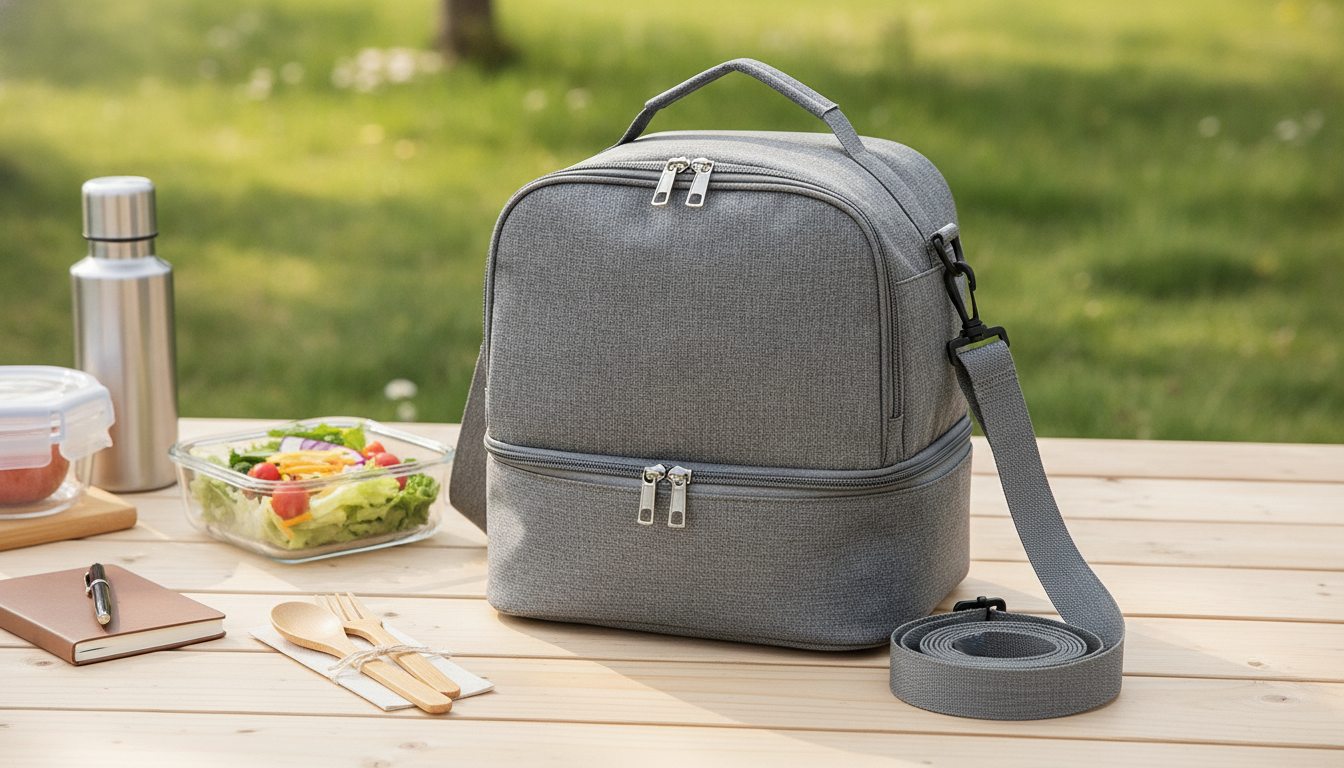
Double Layer Insulated Lunch Bag for Everyday Meals on the Go
Keeping meals fresh while juggling commutes, school drop-offs, daycare schedules, or outdoor errands is easier with a lunch bag that separates foods and holds temperature longer. A double layer insulated lunch bag creates two zones for packing—helpful for keeping cold items away from warm ones, protecting delicate snacks from heavier containers, and organizing a full day’s food without digging. With a simple routine for packing, cleaning, and using ice packs, it can support safer food storage and less lunchtime stress for adults and kids alike.
Why a double layer design changes the daily pack
A two-compartment layout can feel like a small upgrade, but it removes several common pain points that happen when everything is stacked together.
- Separates foods by type: snacks up top, main meal below, or cold items apart from room-temperature items.
- Reduces squishing and spills by isolating soft fruit, yogurt, or crackers from heavier containers.
- Speeds up unpacking at school or work: open the section needed without exposing everything.
- Works well for mixed schedules: a morning snack plus lunch, or lunch plus an afternoon pick-me-up.
For busy households, that separation also helps kids find what they need quickly—less digging means fewer accidental spills and fewer forgotten items at the bottom.
Temperature control basics (and what insulation can’t do alone)
Insulation is a helper, not a refrigerator. It slows temperature change, but it doesn’t actively cool or heat food on its own. The best results come from stacking small habits that add up.
- Use an ice pack for perishables (dairy, meat, cut fruit) and pre-chill items when possible.
- Keep the bag closed as much as possible; frequent opening loses cooling quickly.
- For hot foods, use a sealed hot container and pack it in a separate area from cold items to reduce warming the whole bag.
For more family-focused safety guidance, the USDA’s safe handling overview is a helpful reference: USDA Food Safety and Inspection Service: Safe Food Handling. The CDC also maintains practical food safety reminders for everyday situations: CDC: Food Safety.
Quick packing guide by food type
| Food type | Best placement | Extra step |
|---|---|---|
| Cold lunch (sandwich, salad, yogurt) | Bottom layer | Add ice pack next to the cold items |
| Snack items (crackers, fruit, bars) | Top layer | Use small containers to prevent crumbs and bruising |
| Hot meal in thermos | Bottom layer (separate from cold) | Pre-warm thermos with hot water, then fill |
| All-day outing mix | Cold items bottom, grab-and-go snacks top | Pack napkins/utensils in an easy-access pocket if available |
What to look for in materials and build quality
Since lunch bags get used hard—grabbed, zipped, stuffed into backpacks, set on car floors—durability features matter more than they might on day one.
- Lining that wipes clean: reduces odor buildup and makes daily maintenance faster.
- Stitching and zipper strength: frequent open/close cycles are where many bags fail first.
- Leak resistance: helpful for condensation from ice packs or a tipped drink.
- Handle/strap comfort: a padded grip matters when carrying alongside a diaper bag, backpack, or tote.
If the bag is used by kids, a smoother zipper track and an easy-to-hold handle can make it easier for them to manage independently without spilling the contents.
Smart ways to organize the two layers
The easiest way to get value from two compartments is to assign each layer a purpose and keep it consistent. That routine lowers morning decision fatigue and reduces forgotten items.
- Top layer ideas: dry snacks, cutlery, napkins, small treats, or a mid-morning snack for kids.
- Bottom layer ideas: main meal container, drink, ice pack, or a bento box.
- Spill control: keep liquids in the lower section and upright; place sauces in tightly sealed mini containers.
- Routine tip: pack the next day’s dry snacks in the top layer at night, then add cold items in the morning.
Cleaning and care that keeps it fresh longer
If toddlers “help” with lunch packing, consider extra safety at home by securing under-sink cleaners and sharp tools. The 10pcs Baby Safety Cabinet Locks can help limit access in cabinets where cleaning products or utensils are stored.
When a double layer lunch bag is especially useful
Product spotlight: Double Layer Insulated Lunch Bag
If you want a simple, everyday option that supports the two-zone routine, the Double Layer Insulated Lunch Bag is designed for separating snacks and meals in one carry. It’s a practical pick for work, school, errands, and outings, and it pairs well with ice packs for cold foods and a thermos for hot items when packed separately.
At-a-glance details
| Item | Details |
|---|---|
| Product | Double Layer Insulated Lunch Bag |
| Price | 15.97 USD |
| Availability | In stock |
| Product page | https://newbornshelf.shop/double-layer-insulated-lunch-bag/ |
Kitchen and lunch prep safety reminders for families
For additional guidance for families and caregivers, the FDA provides food safety information for higher-risk groups, including pregnancy: FDA: Food Safety for Moms-to-Be.
FAQ
How long does an insulated lunch bag keep food cold?
Insulation slows warming, but the actual time depends on starting temperature, the number and size of ice packs, outdoor heat, and how often the bag is opened. With pre-chilled food and a good ice pack, many lunches can stay cooler for several hours.
Can hot and cold items be packed in the same lunch bag?
Yes, as long as they’re separated and packed in sealed containers. Keep hot items in their own container and zone (for example, one compartment) so they don’t warm the rest of the bag and reduce cold performance.
What is the best way to clean an insulated lunch bag?
Wipe the interior daily with mild soap and water, spot-clean spills right away, and let the bag air-dry completely with compartments open. Avoid harsh chemicals unless the manufacturer’s care instructions specifically allow them.













Leave a comment